PARI Policy Brief No. 8: Doubling the Maize Yield in Africa Through Better Crop Management
Results from a crop simulation model to inform policy and research
PARI research focuses on identifying and scaling promising agricultural innovations for agricultural growth and food security in Africa and India.
Results from a crop simulation model to inform policy and research
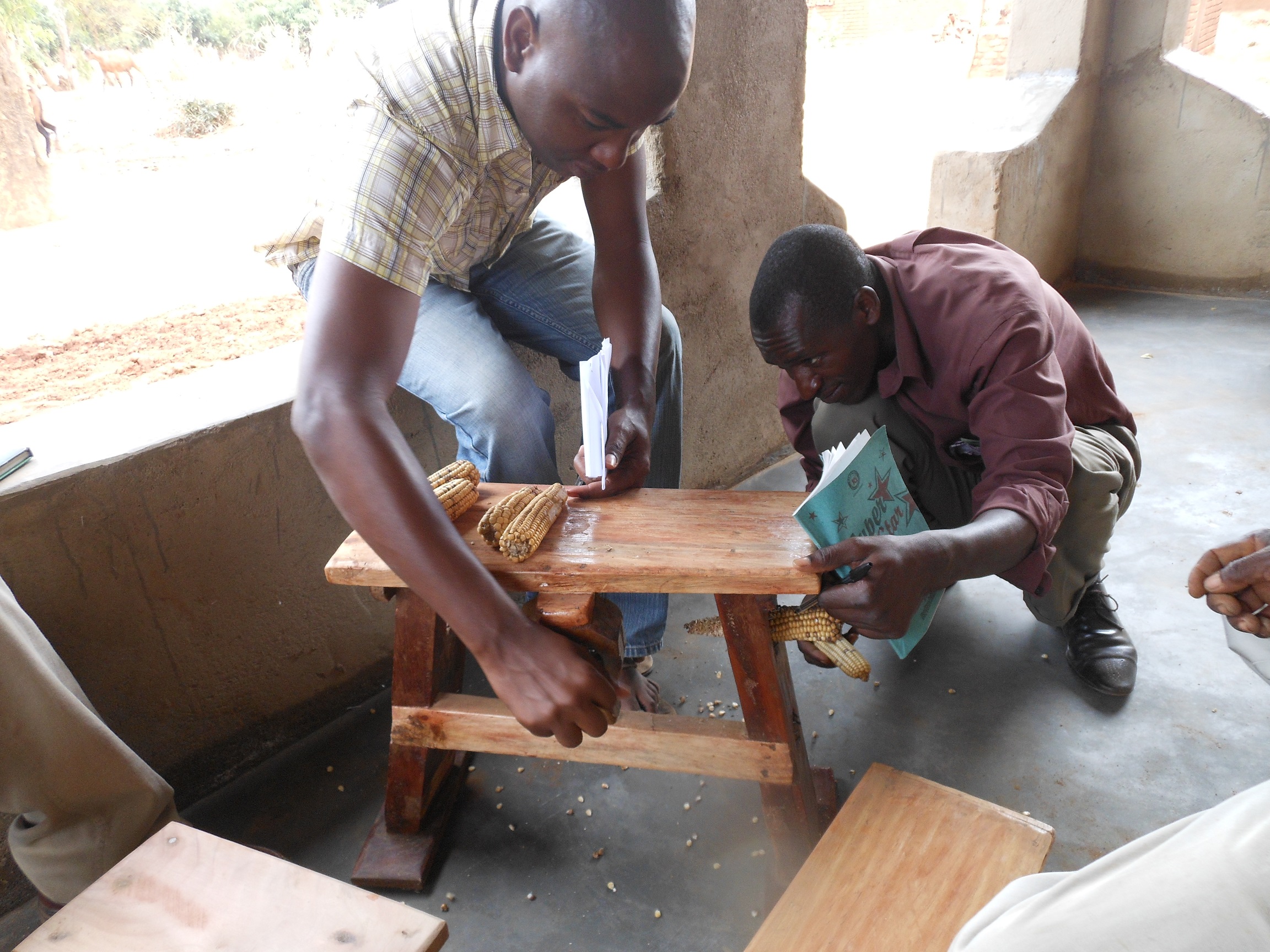
This paper presents the experiences and outcomes of applying contests to elicit farmer-generated innovations and to reward outstanding farmer innovators in selected districts in Ethiopia, Kenya, Malawi and Zambia
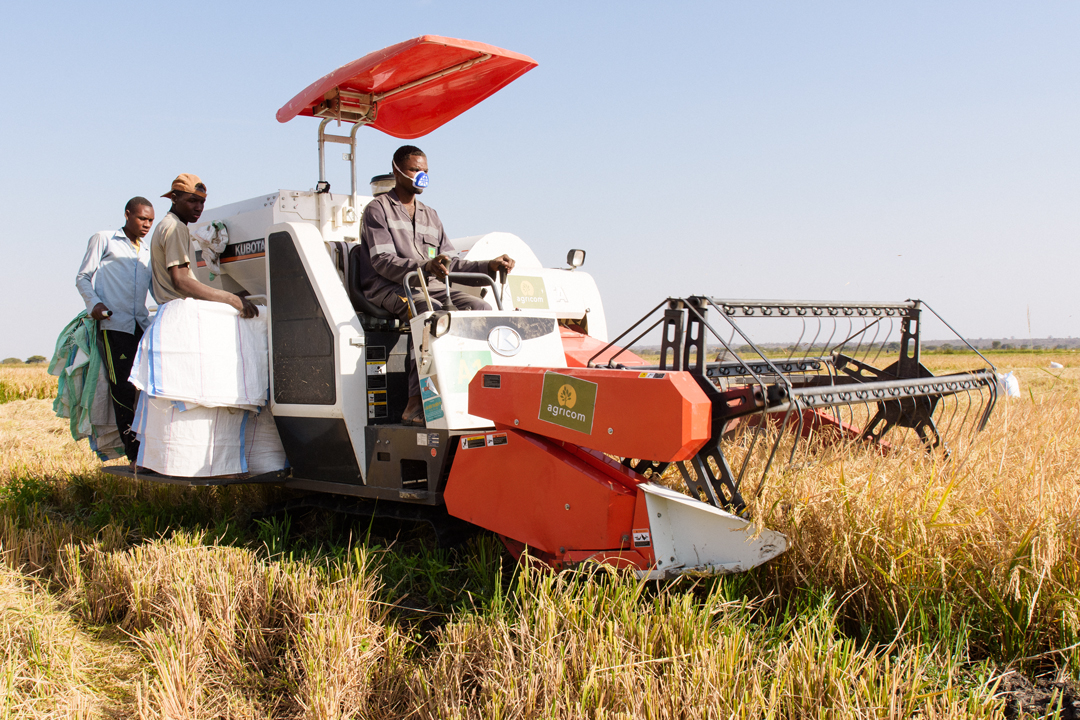
This study assesses the status, challenges, and prospects of agricultural mechanization on rice and bananas in Kenya.
Given that the agriculture sector remains the most important economic sector in the region, policies that support its development and increase the human capacities of rural youth can significantly improve employment opportunities and quality.
The dossiers provide background information on the innovation environment, most relevant value chains and related innovations, and collaboration opportunities for 12 African countries with Green Innovation Centres.
This policy brief analyses which governance challenges must be addressed to make mechanization economically, socially and environmentally sustainable.
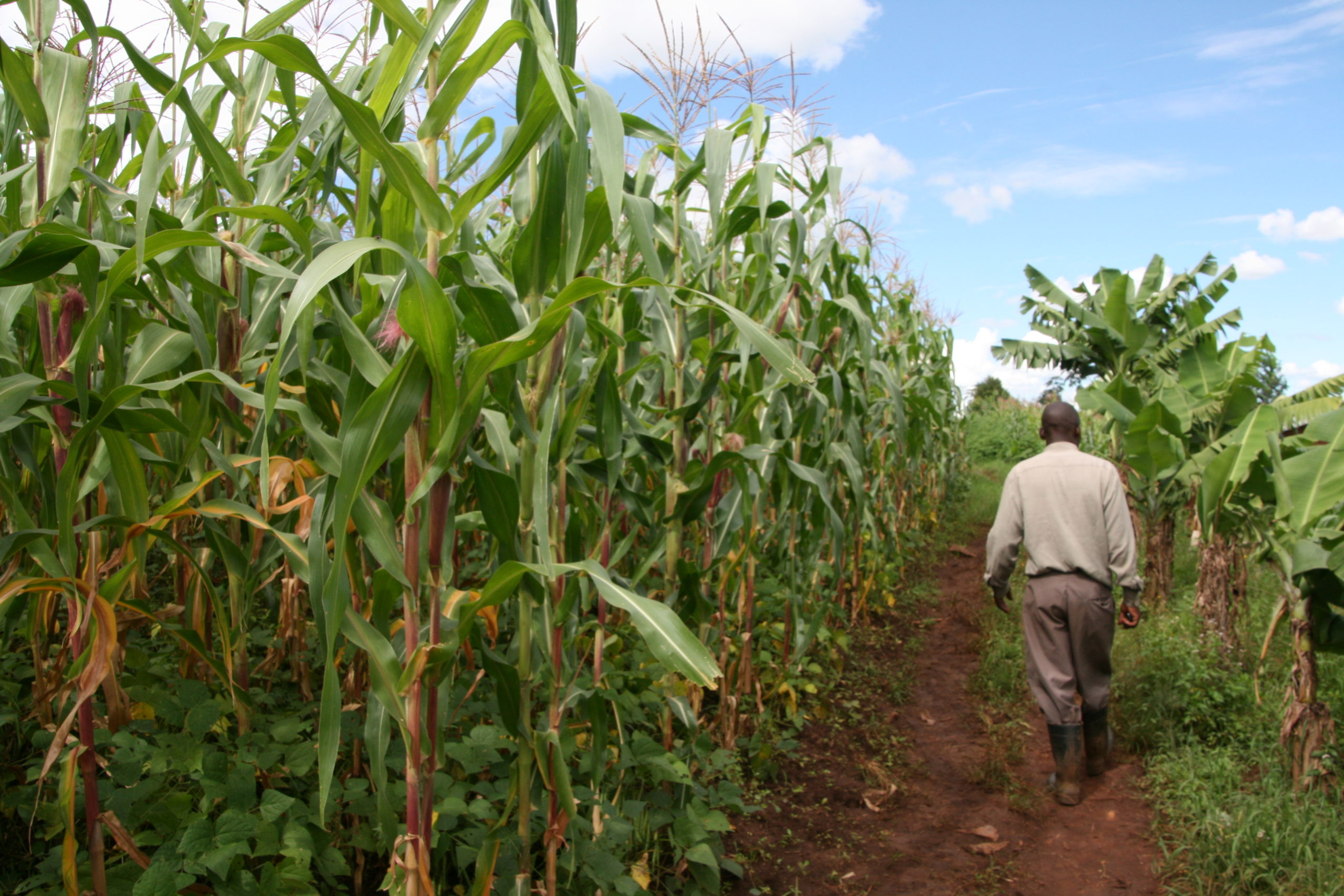
The crop model SIMPLACE was used in this study and it was tested against FAO statistics to evaluate the model performance under the current management conditions with traditional cultivars and average nitrogen application rates.
PARI Poster presenting various African innovators
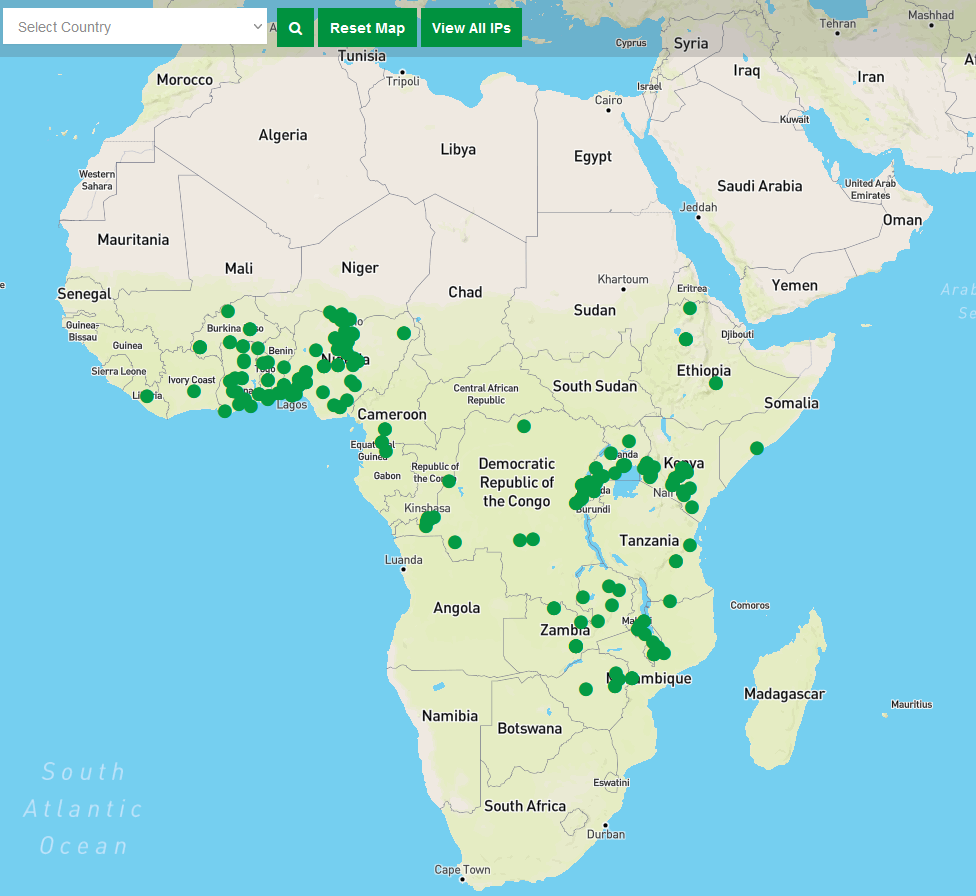
The IPAbP aims at aggregating information about all agricultural innovation platforms in Africa to foster linkages with other agricultural innovation organizations, donors and development partners.
This policy brief discusses how to match innovations with human and ecological potential within and outside the agriculture sector
The eAtlas offer access to high quality and highly disaggregated data on agricultural, socio-economic, and bio-physical indicators in Africa.
The University of Hohenheim developed a milk cooling solution that can help small- and medium-sized dairy farms to improve the storage, transportation, and hygiene of their produced milk.