PARI Annual Report 2022
The PARI annual report 2022 presents the highlights of PARI research conducted in 2022.
PARI research focuses on identifying and scaling promising agricultural innovations for agricultural growth and food security in Africa and India.
The PARI annual report 2022 presents the highlights of PARI research conducted in 2022.
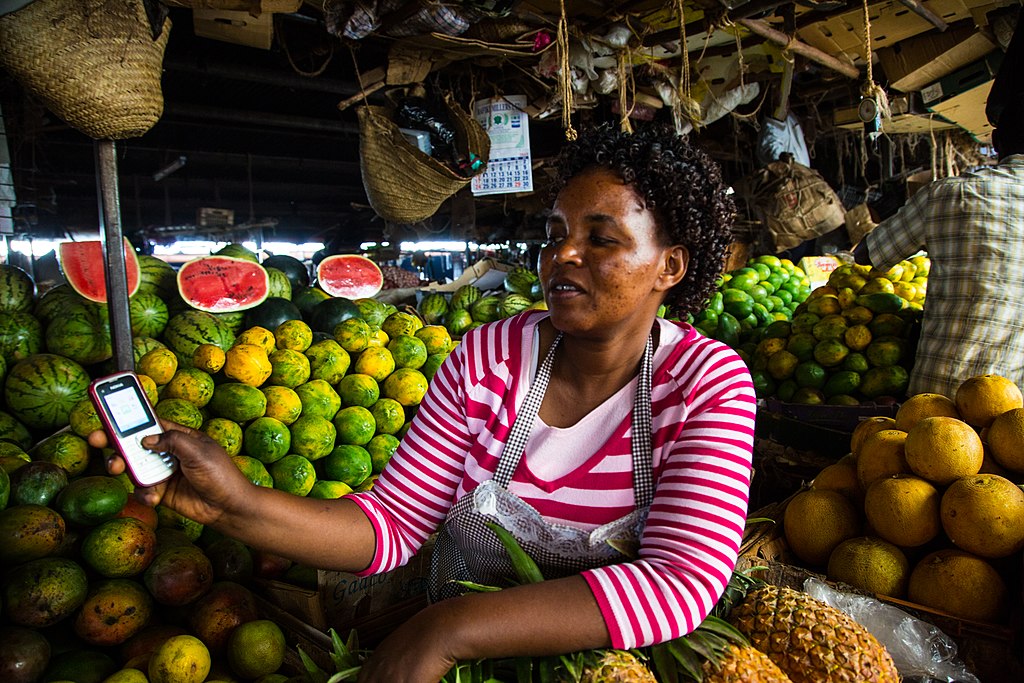
This study examines the use of ICTs by African agriculture intermediaries to facilitate networking and information exchange in markets, highlighting the benefits and differences in usage across dealer types, and the potential for digital platforms to improve service delivery.
The study explores the feasibility of carbon sequestration in Africa's smallholder production systems.
This study compares agricultural productivity in African countries using two methods, finding a growth rate of 1-1.7%, influenced by mechanisation, research and development , weather, and population. Climate-smart options and knowledge-sharing are vital.
This article examines how the performance of the agricultural sector relates to foreign direct investment (FDI) in the food and beverages sector across African countries.
This policy brief discusses the use and impact of digital technologies among agricultural intermediaries.
This paper presents the results of a study on biochar and compost production training and its welfare effects on farm households in Northern Ghana using doubly robust estimators.
Drawing on insights from the Covid-19 pandemic, this article aims to identify and justify nutrition-sensitive lockdown measures to reduce trade-offs with nutrition security.
This study analysed the use of ICTs among intermediaries in the agricultural sector in Ghana and examined the benefits therein, especially in uncharted times of the Covid-19 pandemic.
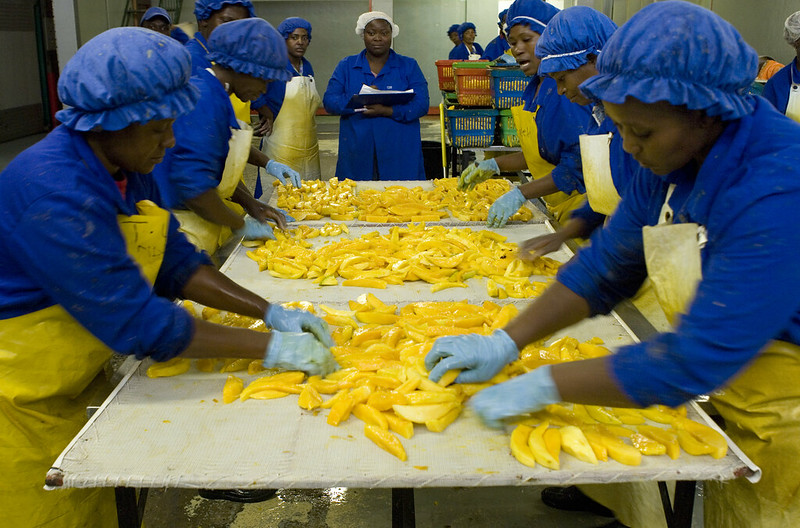
This paper analyzes the potential of the agroprocessing sector to create jobs in Africa, based on the evidence from Ethiopia, Ghana and Tunisia.
This study investigates how intermediaries in the African agriculture sectors are making use of and are impacted by digital technologies in their professional activities.
This paper provides a literature review on youth employment challenges in rural Africa with the objective of addressing the question of how to productively engage rural youth.