
Farm robots: ecological utopia or dystopia?
Societal discussions and policy action are needed to harness the potential of robots to serve people and the planet.


PARI research focuses on identifying and scaling promising agricultural innovations for agricultural growth and food security in Africa and India.
Societal discussions and policy action are needed to harness the potential of robots to serve people and the planet.

This policy brief assesses how African countries and Indian states have transformed their food and agriculture sectors to inform future strategic directions in food system strategies.

This study assesses the potential of Information and Communication Technology (ICT) applications to close milk yield gaps among small- and medium scale dairy cattle farmers in Africa.
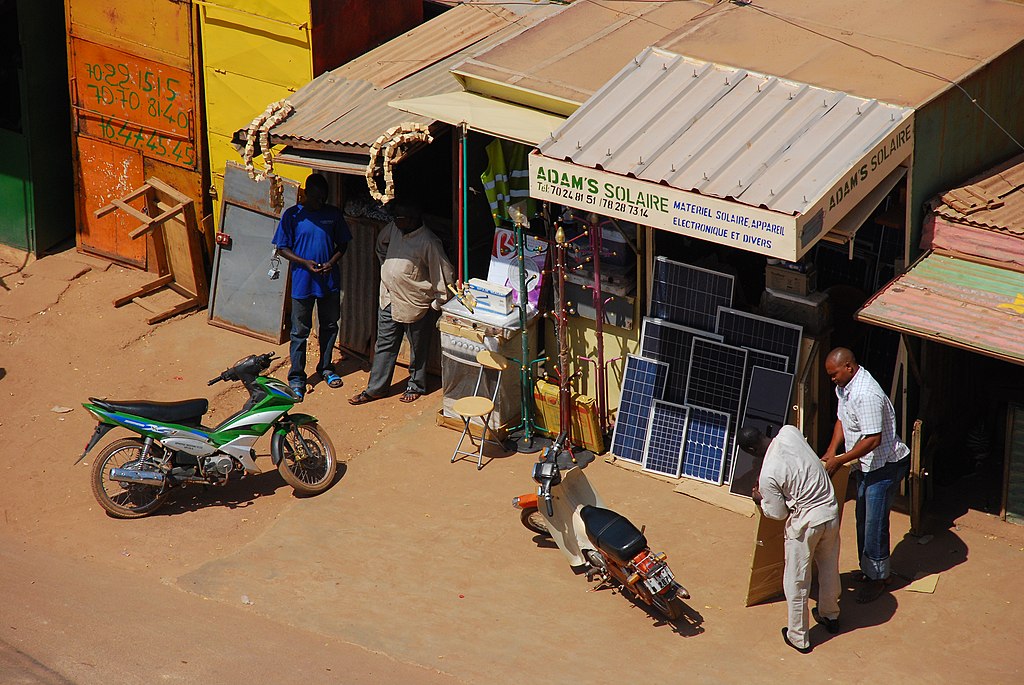
This publication contains a compendium of papers presented at the conference on climate change and food security in West Africa.

This policy brief offers insights on how digital agricultural platform companies in Africa are coping with strategic challenges related to their business models.

This review synthesises broad recent literature on why insurance take-up has remained low and what strategies might be employed to spur its take-up among farmers and pastoralists in Sub-Saharan Africa.

The PARI annual report 2020 presents the highlights of PARI research conducted in 2020.

This book comprises ten chapters that run an exhaustive analysis of all the issues in smallholder agriculture.
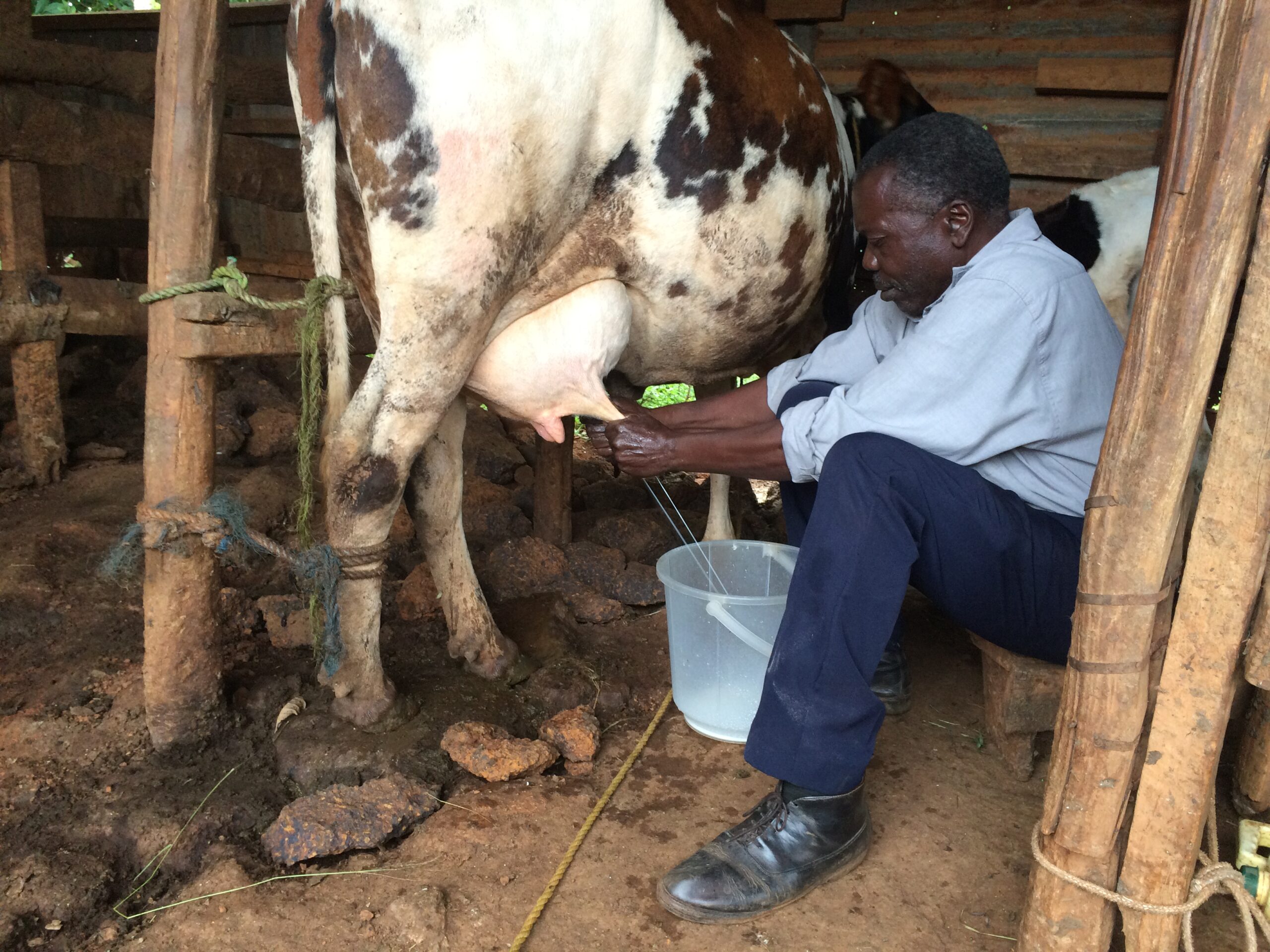
This study identifies on-farm dairy management strategies employed by East African smallholders and summarizes existing literature to quantify the expected milk yield changes.

This study aims to identify how Africa may transform its potentials into realities and actually secure its supply of food for affordable and healthy diets from the sustainable use of resources.

This paper presents a fact check on nine propositions regarding mechanization. Which ones are true? Which ones are false? To answer these questions, the study uses most of the recent literature on mechanization, thereby also providing a review of the current literature on agricultural mechanization in Africa.
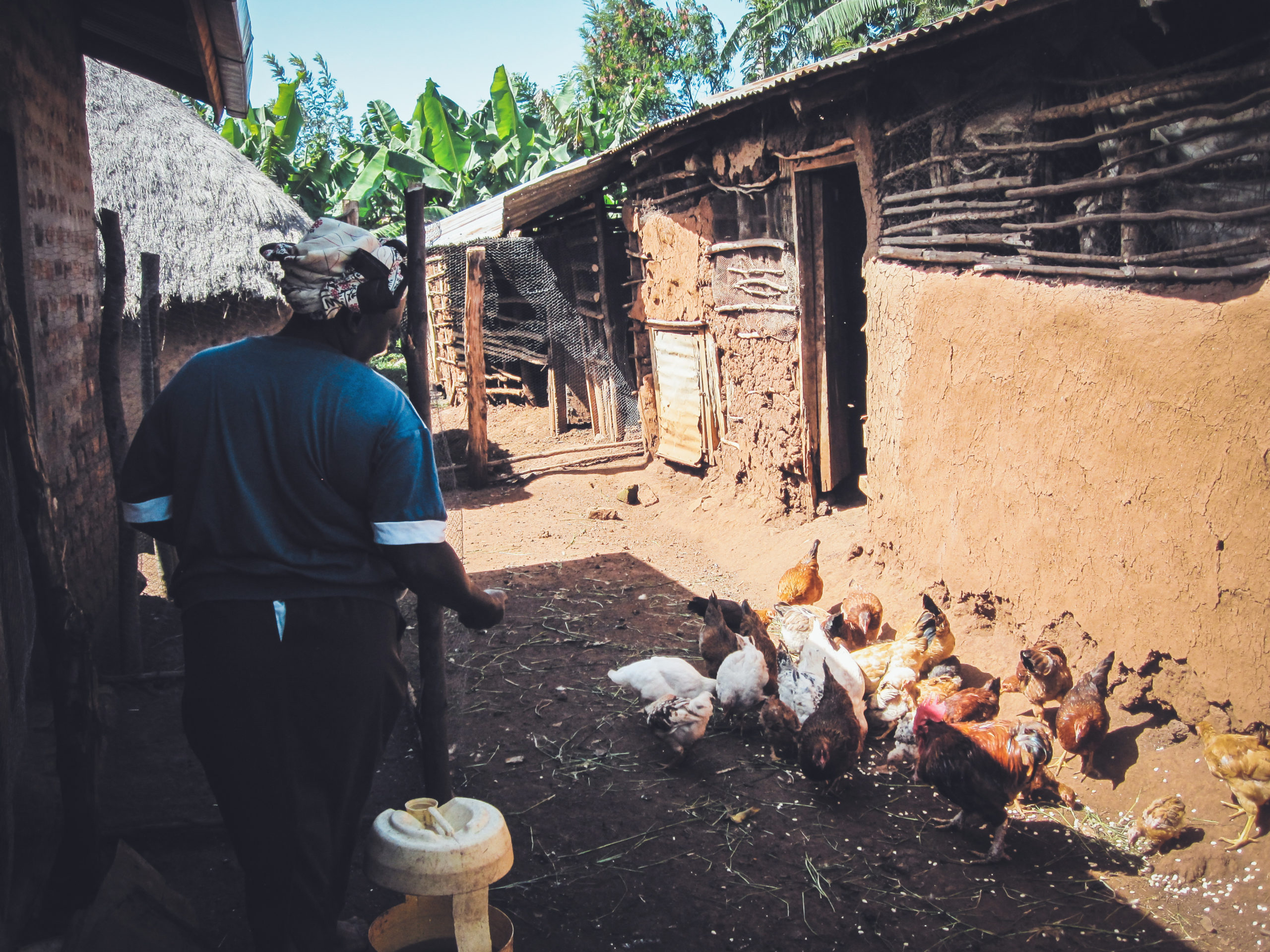
The objectives of this report are first to describe the patterns and changing structures of the Sub-Saharan Africa (SSA) livestock sector and secondly to explore innovations that can help to address the complex trade-offs involved in investing in the development of a sustainable livestock sector.