Edible weeds and food and nutrition security in the face of the herbicide revolution: A case study of Zambia
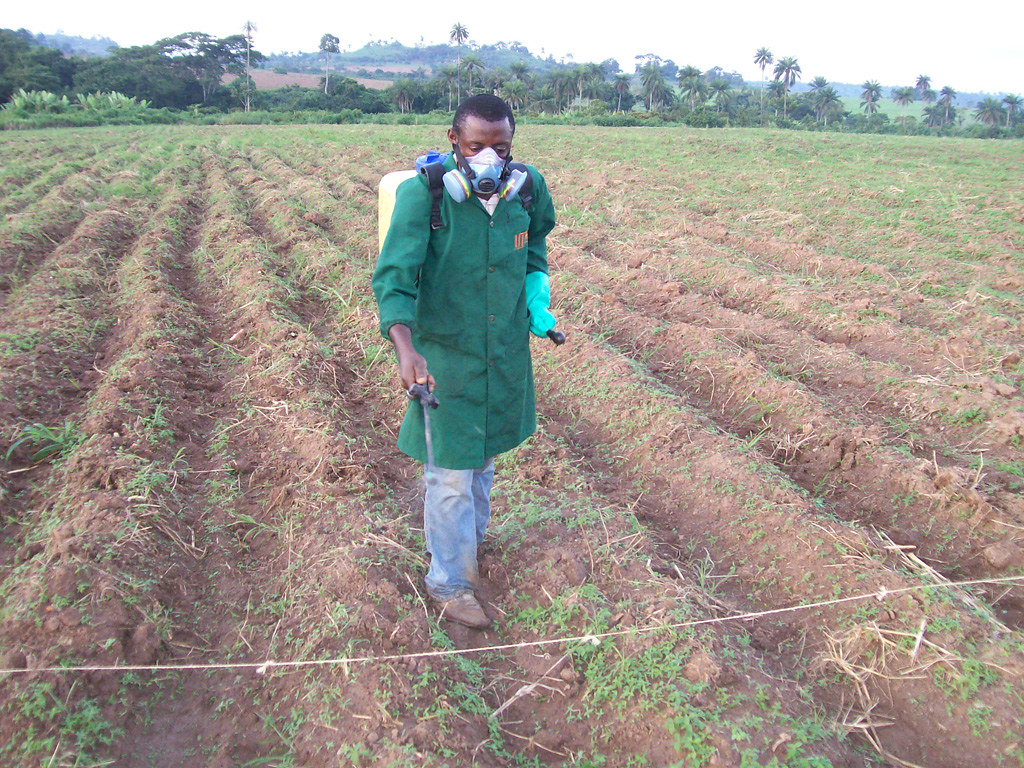
This study examines the role of edible weeds for rural diets in Zambia and explores how herbicides affect the consumption of edible weeds.
PARI research focuses on identifying and scaling promising agricultural innovations for agricultural growth and food security in Africa and India.
This study examines the role of edible weeds for rural diets in Zambia and explores how herbicides affect the consumption of edible weeds.
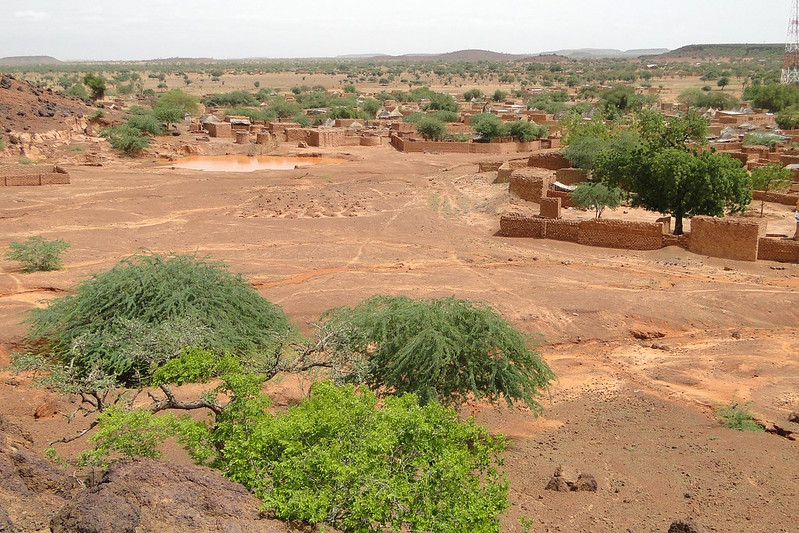
This paper synthesizes a set of national case studies at the nexus of land degradation, climate change and energy in the Sahel.
A study in the Sudano-Sahel Initiative for Regional Development, Jobs, and Food Security.
This study suggests that rural development strategies need to be based on the actual aspirations of rural youth.
This book comprises ten chapters that run an exhaustive analysis of all the issues in smallholder agriculture.
This paper highlights the need to design nutrition-sensitive lockdown strategies, which are effective from an epidemiological perspective but minimize trade-offs with food and nutrition security.