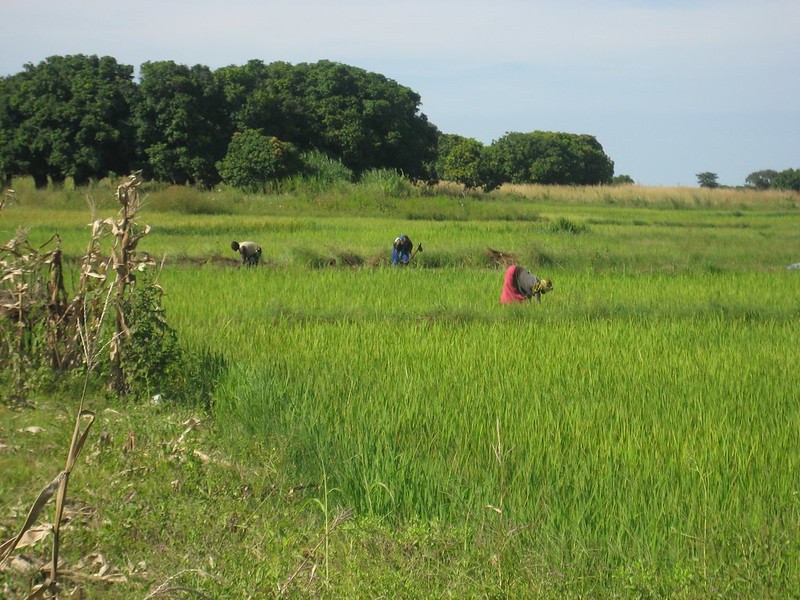
Development and Analysis of Rice Value Chains in Ghana
This study uses the value chain approach to study the rice sub-sector in the selected districts and to solicit support for small-scale rice value chain actors.


PARI research focuses on identifying and scaling promising agricultural innovations for agricultural growth and food security in Africa and India.
This study uses the value chain approach to study the rice sub-sector in the selected districts and to solicit support for small-scale rice value chain actors.

Given that the agriculture sector remains the most important economic sector in the region, policies that support its development and increase the human capacities of rural youth can significantly improve employment opportunities and quality.
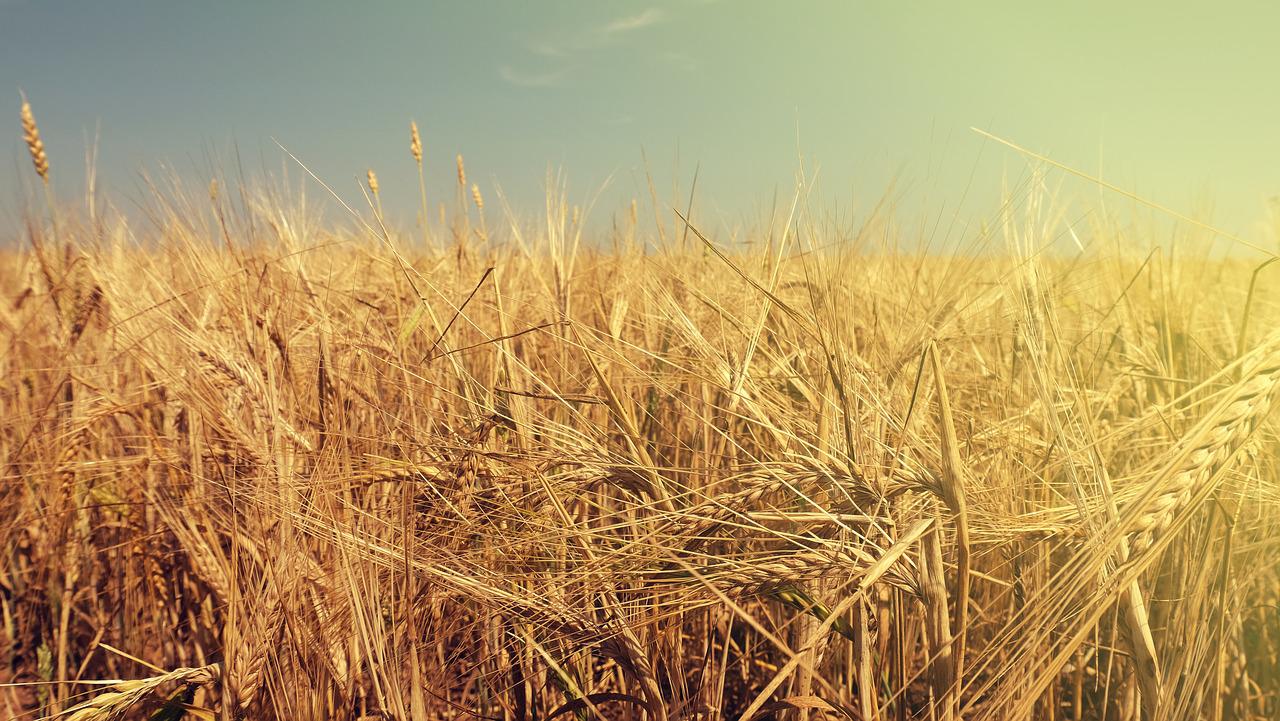
Despite widespread application in studying climate change impacts, most crop models ignore complex interactions among air temperature, crop and soil water status, CO2concentration and atmospheric conditions that influence crop canopy…

The dossiers provide background information on the innovation environment, most relevant value chains and related innovations, and collaboration opportunities for 12 African countries with Green Innovation Centres.
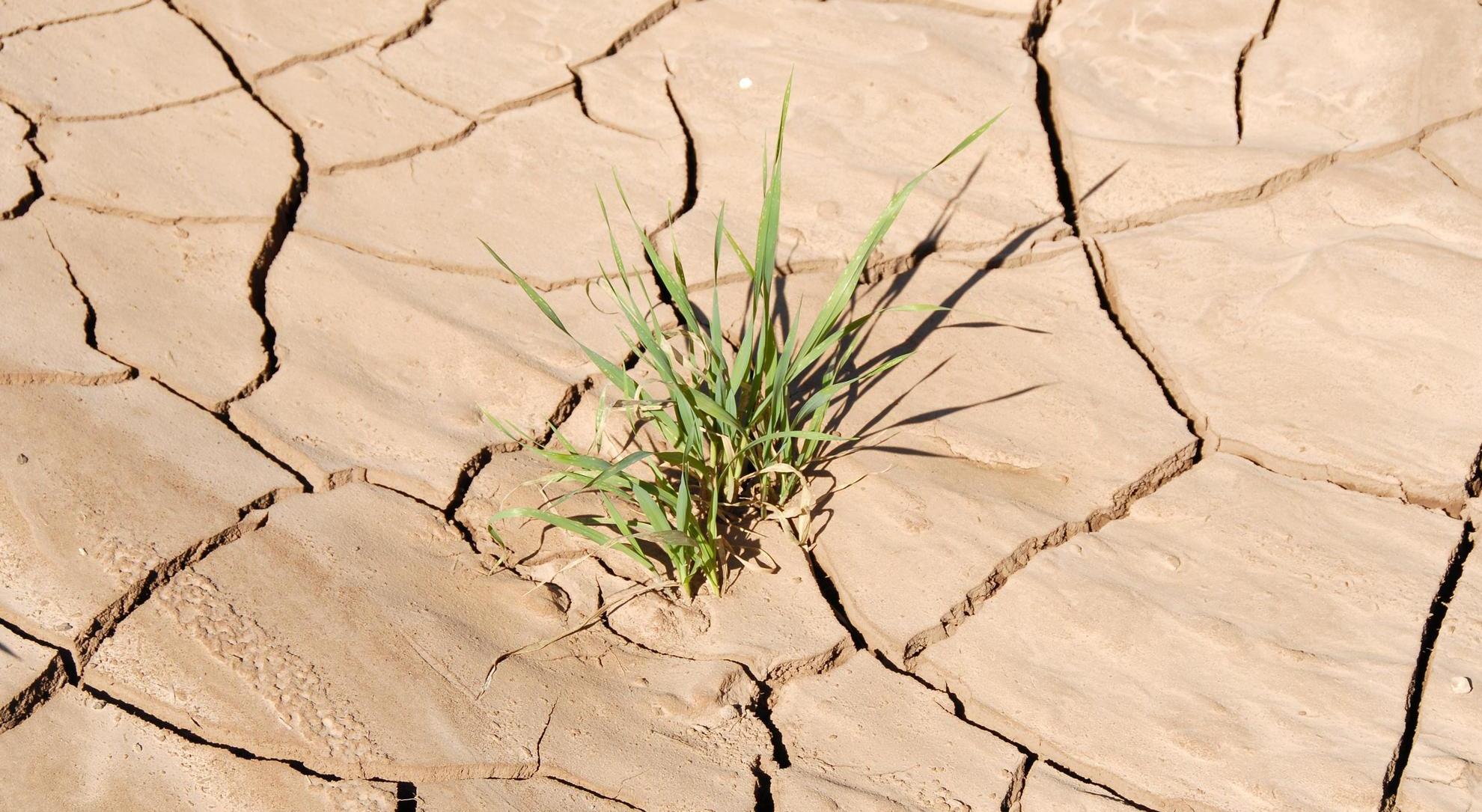
This study documents farmers’ perception of recent changes in the local climate and identifies factors that influence the number and choice of strategies implemented.
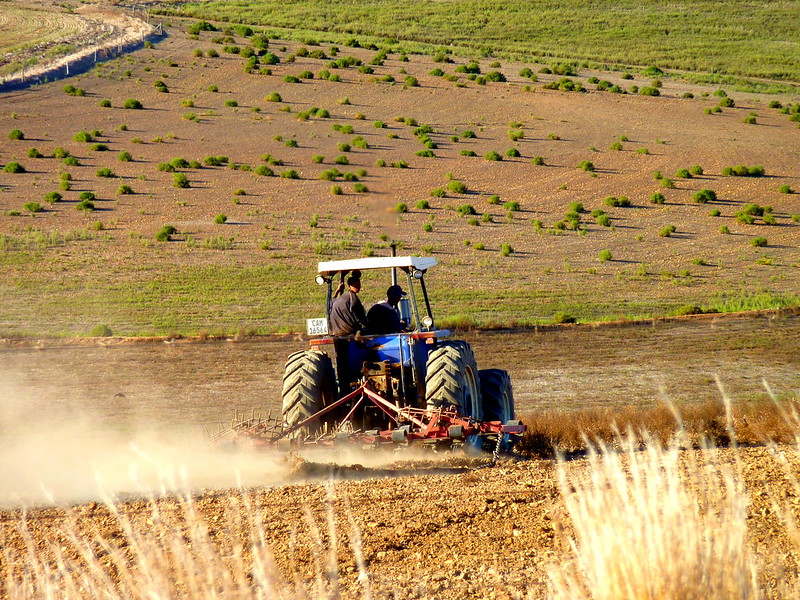
This paper presents a case study on the governance challenges of agricultural mechanisation in Ghana.

This paper assesses the impact of farmer innovation household income and consumption expenditure for innovators.
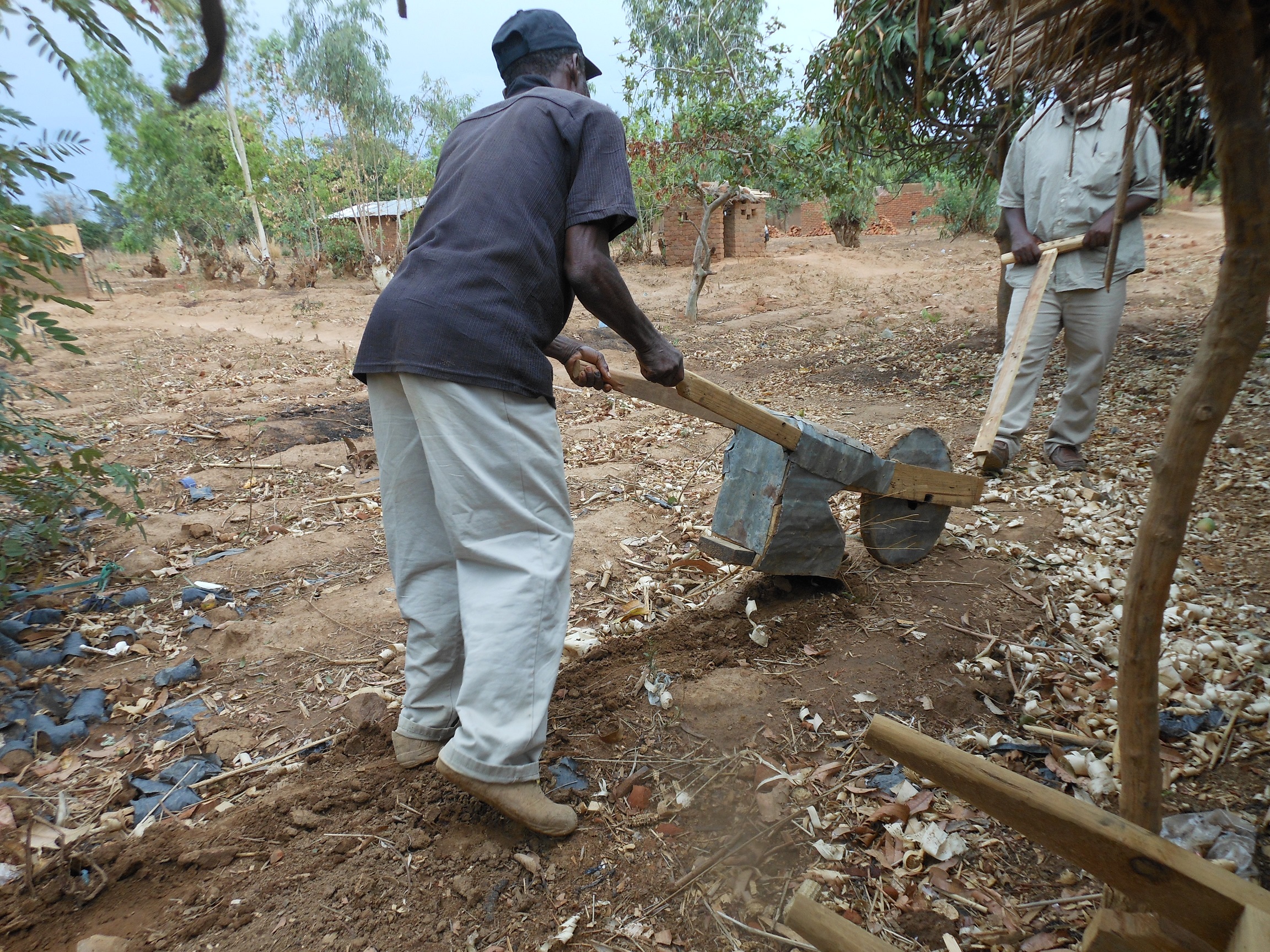
Using data from rural Ghana, this paper aims to add new empirical insights into the impact of farmer innovation by focusing on resilience to climate shocks.

This policy brief analyses which governance challenges must be addressed to make mechanization economically, socially and environmentally sustainable.
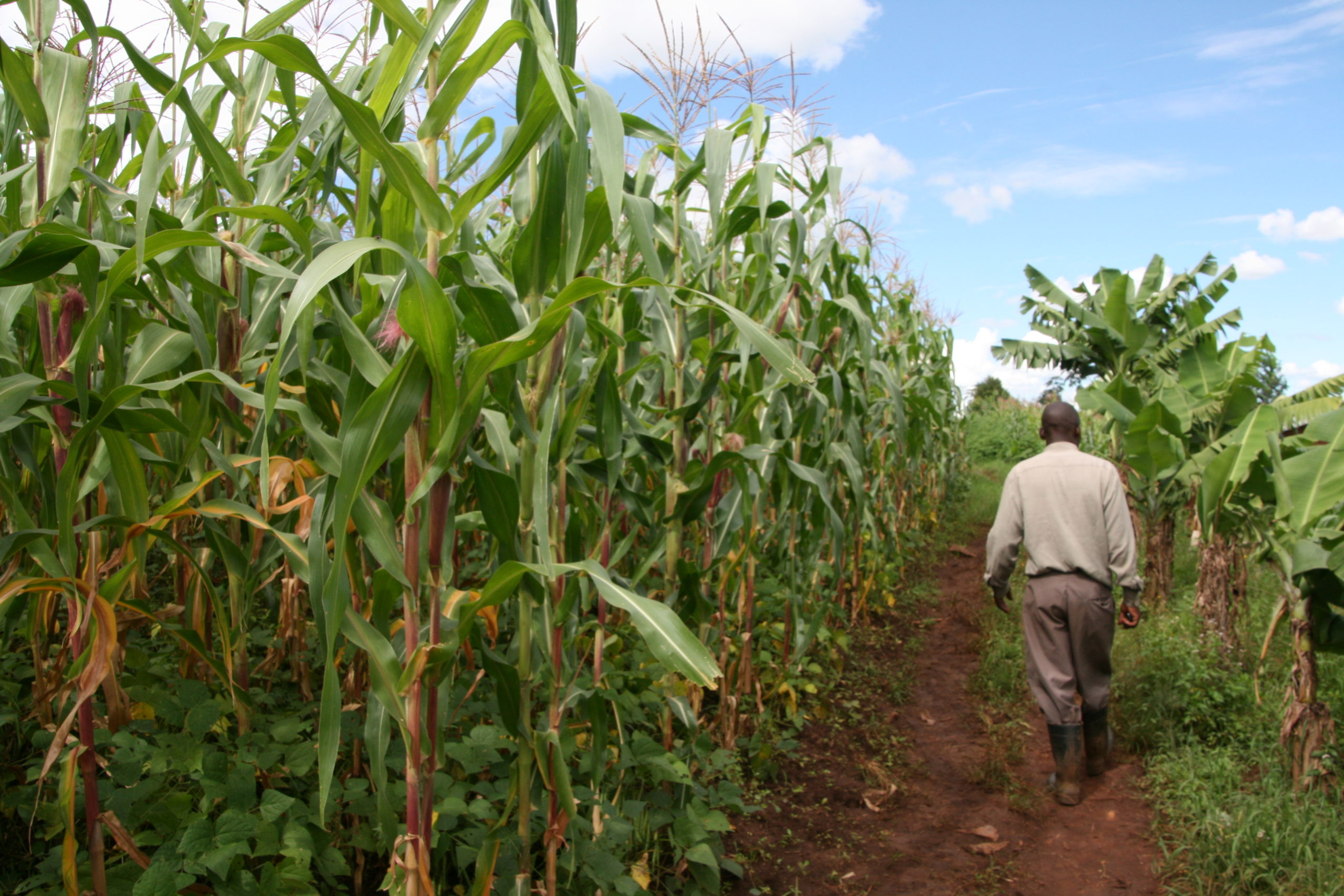
The crop model SIMPLACE was used in this study and it was tested against FAO statistics to evaluate the model performance under the current management conditions with traditional cultivars and average nitrogen application rates.
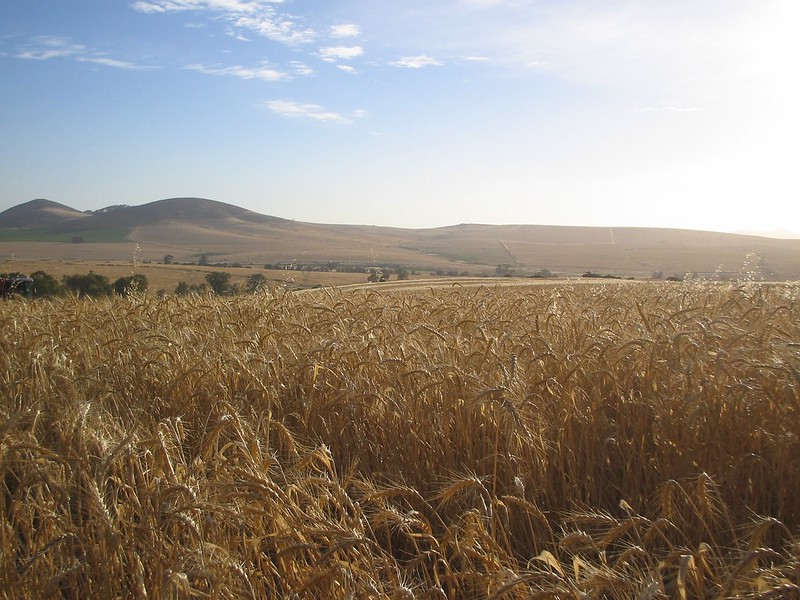
The inter-comparison of 29 wheat models showed that uncertainty in simulated wheat yield from different models increases with rising temperature, which provides the background and forms the basis for our current study.

The article discusses the importance of information on the extent to which crop yields are affected by specific extreme weather events to guide extension services and policy making or support crop breeding efforts.