
Industrial clusters and firm-level innovation in Africa
This study examines the relationship between industrial clusters and firm-level innovation in Africa.


PARI research focuses on identifying and scaling promising agricultural innovations for agricultural growth and food security in Africa and India.
This study examines the relationship between industrial clusters and firm-level innovation in Africa.

This article assesses the status of personal data protection laws in Africa, compliance by digital ag providers and perceptions of agricultural producers.

This policy brief identifies success factors that could contribute to scaling Africa's aquaculture sector.

This study draws on insights from Egypt, Nigeria and Kenya to identify success factors for scaling the sector across the continent.
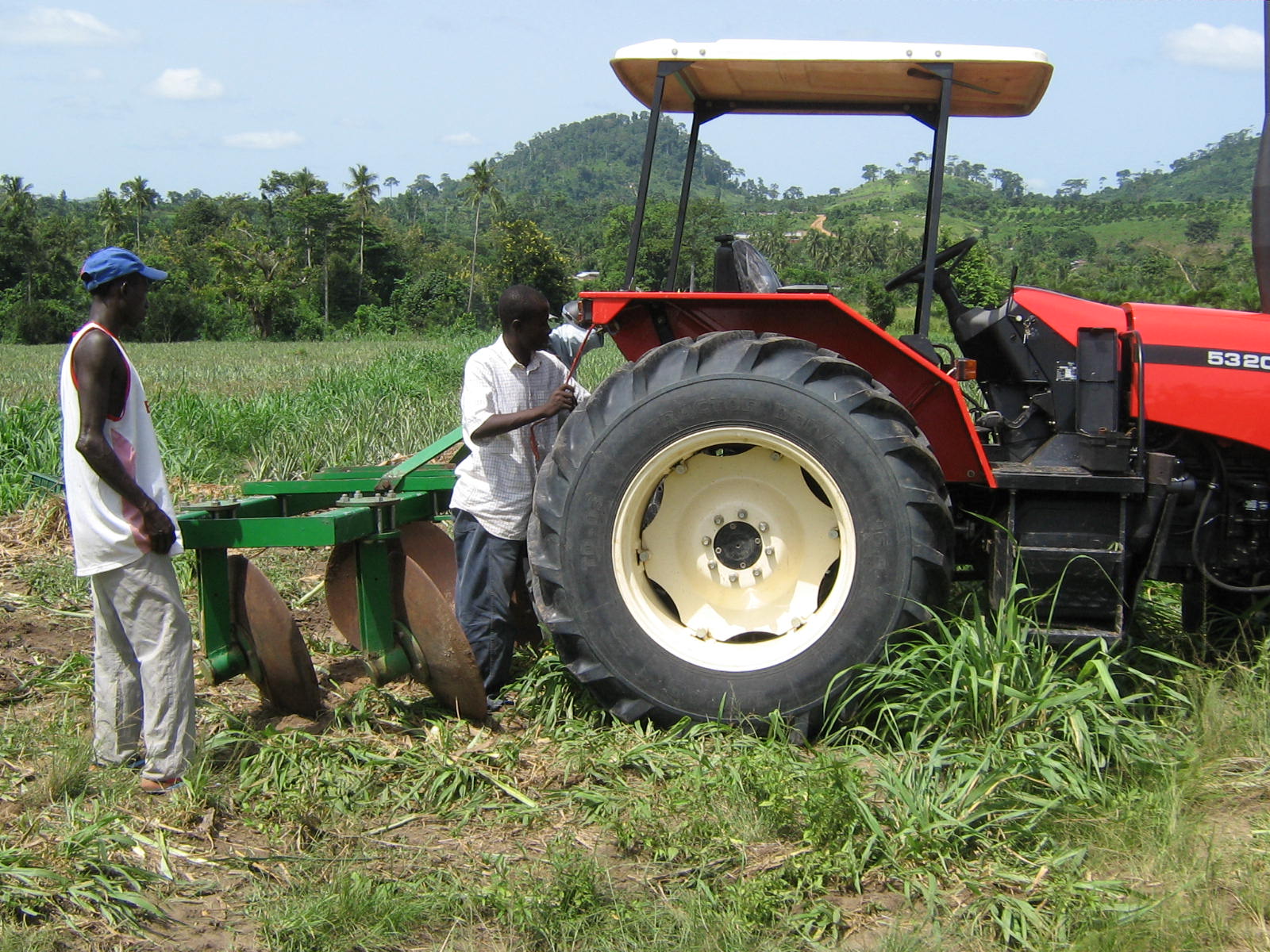
Which technological pathway toward farm mechanization should be supported by African governments and development partners?
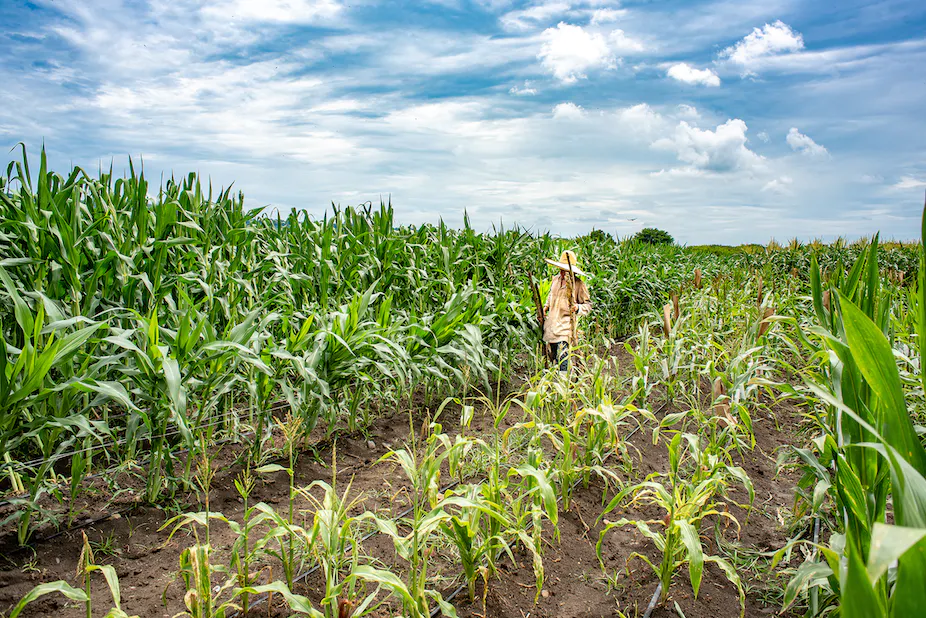
This study assesses potential trade-offs between agricultural labour productivity and biodiversity conservation to identify agricultural development pathways that serve both
people and nature.
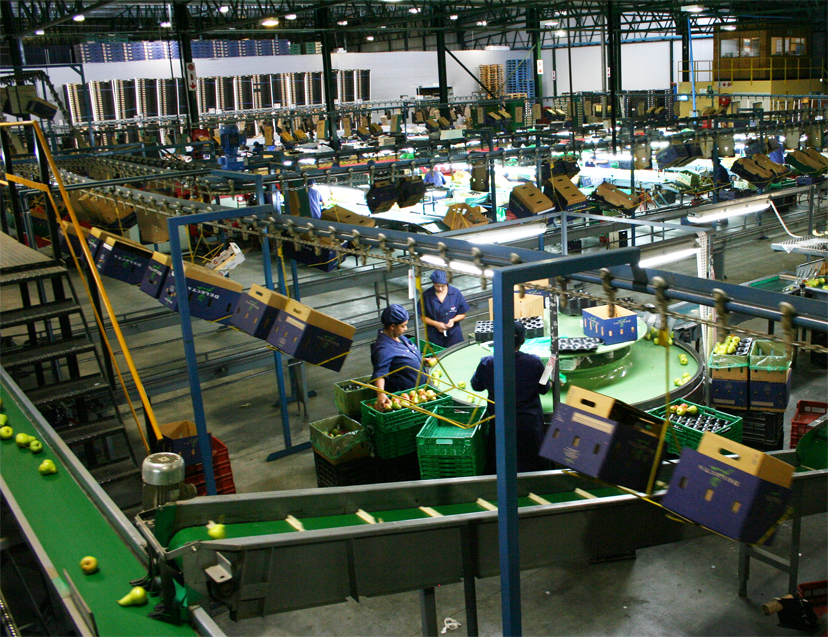
This study assesses the status of mechanization and automation in Africa's agroprocessing sector and related impacts on jobs and skill requirement.
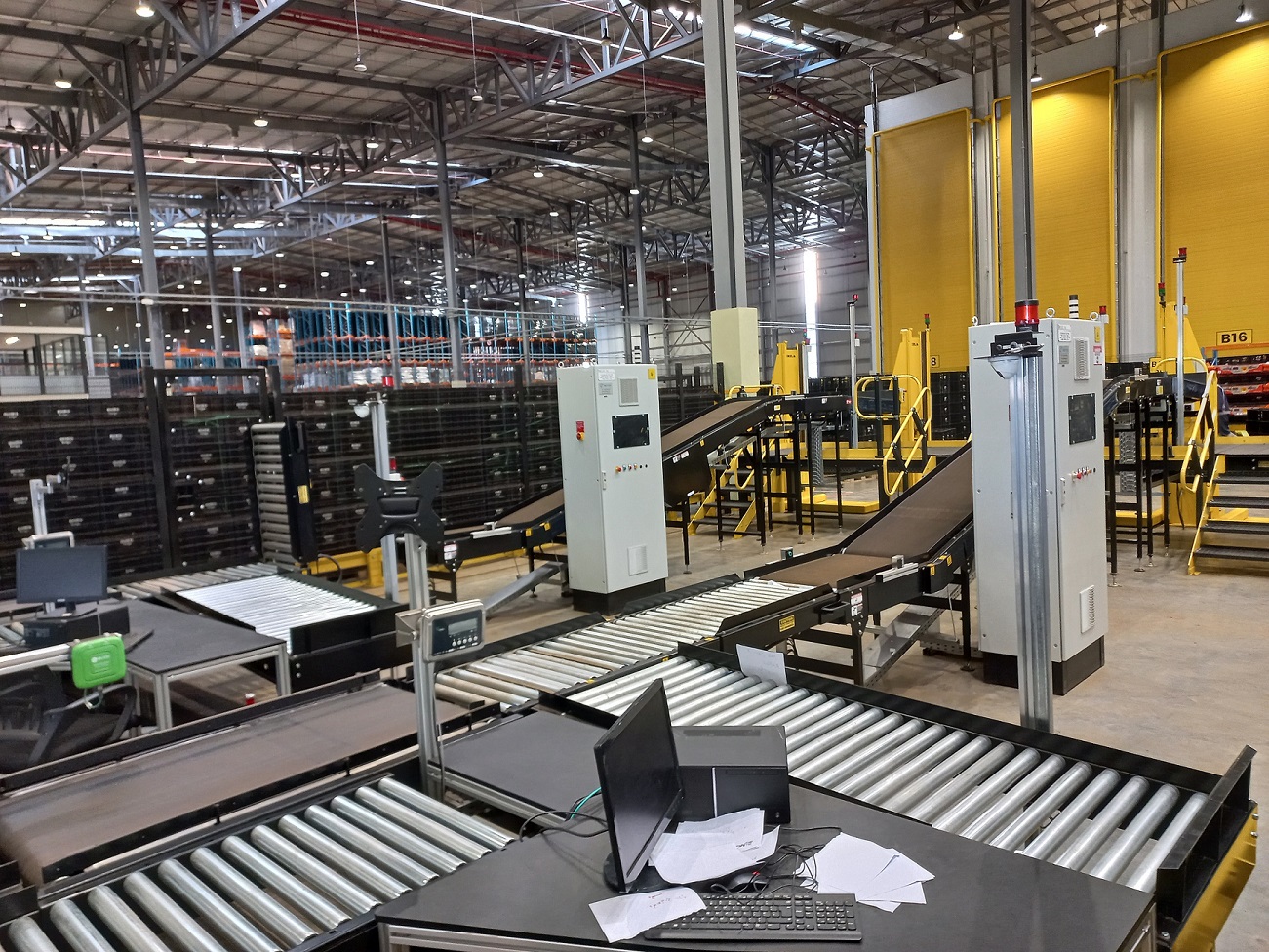
This policy brief presents insights on the status of mechanization and automation in Africa’s food and beverage manufacturing sector and how these technologies may affect employment and skill requirements.

The PARI annual report 2022 presents the highlights of PARI research conducted in 2022.

This study examines the use of ICTs by African agriculture intermediaries to facilitate networking and information exchange in markets, highlighting the benefits and differences in usage across dealer types, and the potential for digital platforms to improve service delivery.

The study explores the feasibility of carbon sequestration in Africa's smallholder production systems.

This study compares agricultural productivity in African countries using two methods, finding a growth rate of 1-1.7%, influenced by mechanisation, research and development , weather, and population. Climate-smart options and knowledge-sharing are vital.