
PARI Policy Brief No. 5: Smallholder agricultural mechanization in Africa
This policy brief analyses which governance challenges must be addressed to make mechanization economically, socially and environmentally sustainable.


PARI research focuses on identifying and scaling promising agricultural innovations for agricultural growth and food security in Africa and India.
This policy brief analyses which governance challenges must be addressed to make mechanization economically, socially and environmentally sustainable.
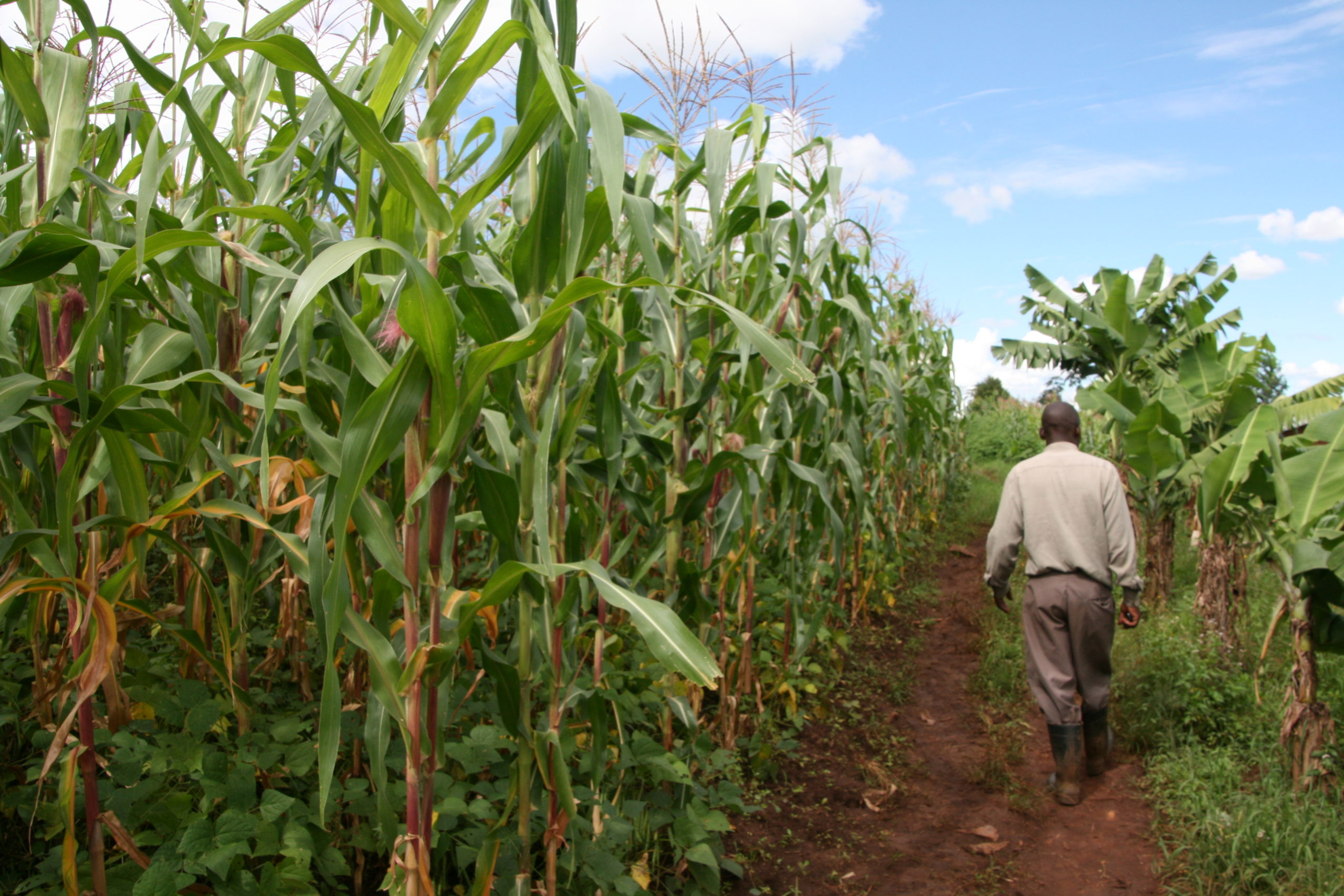
The crop model SIMPLACE was used in this study and it was tested against FAO statistics to evaluate the model performance under the current management conditions with traditional cultivars and average nitrogen application rates.
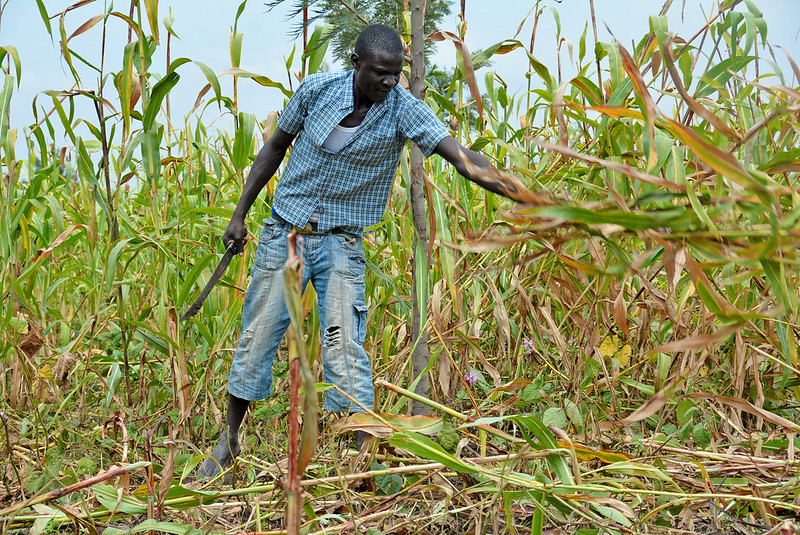
The study evaluated the importance of inter-annual attainable yield variability for the magnitude of the yield gap by utilizing data for wheat and maize at ten sites representing some major food production systems and a large range of climate and soil conditions across the world.
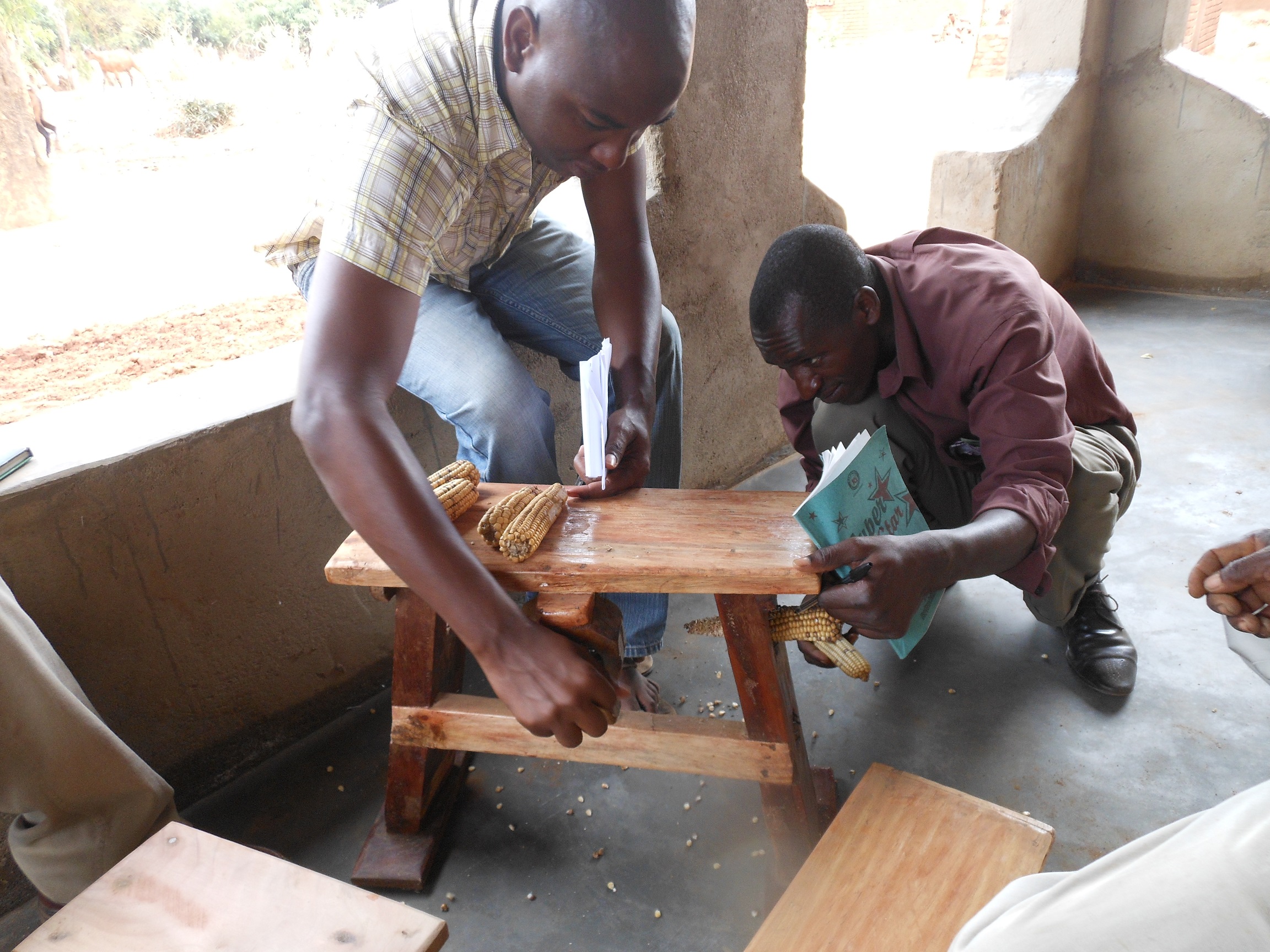
PARI Poster presenting various African innovators
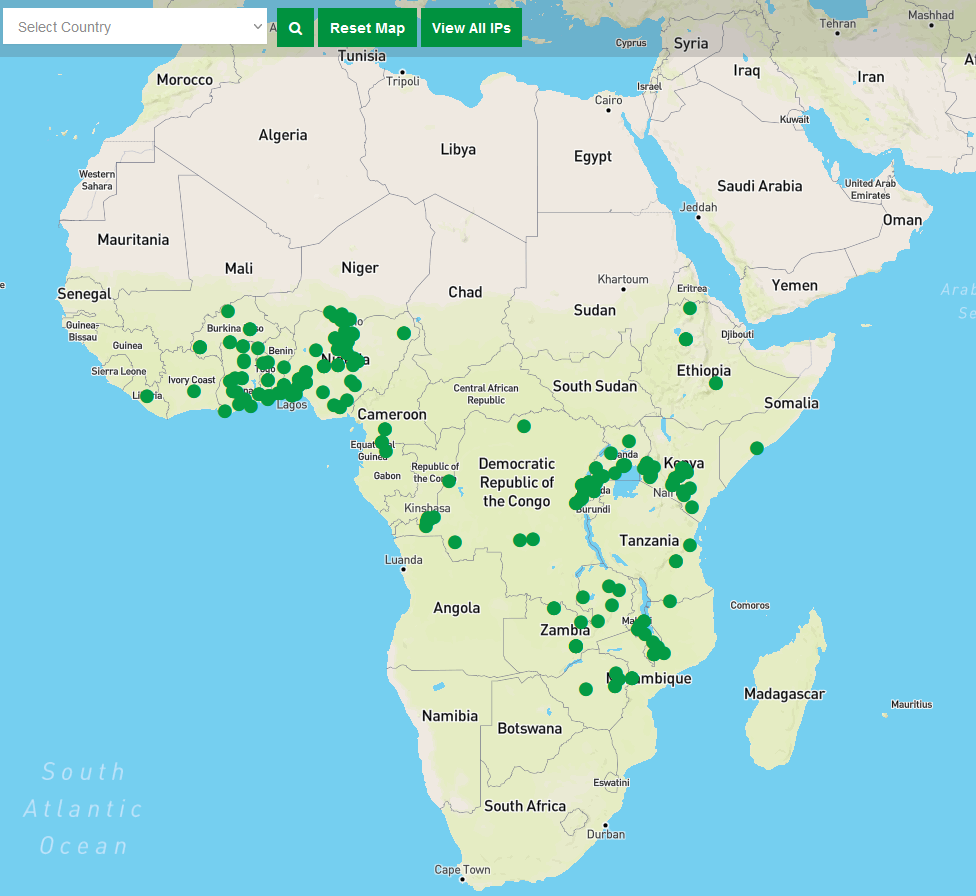
The IPAbP aims at aggregating information about all agricultural innovation platforms in Africa to foster linkages with other agricultural innovation organizations, donors and development partners.
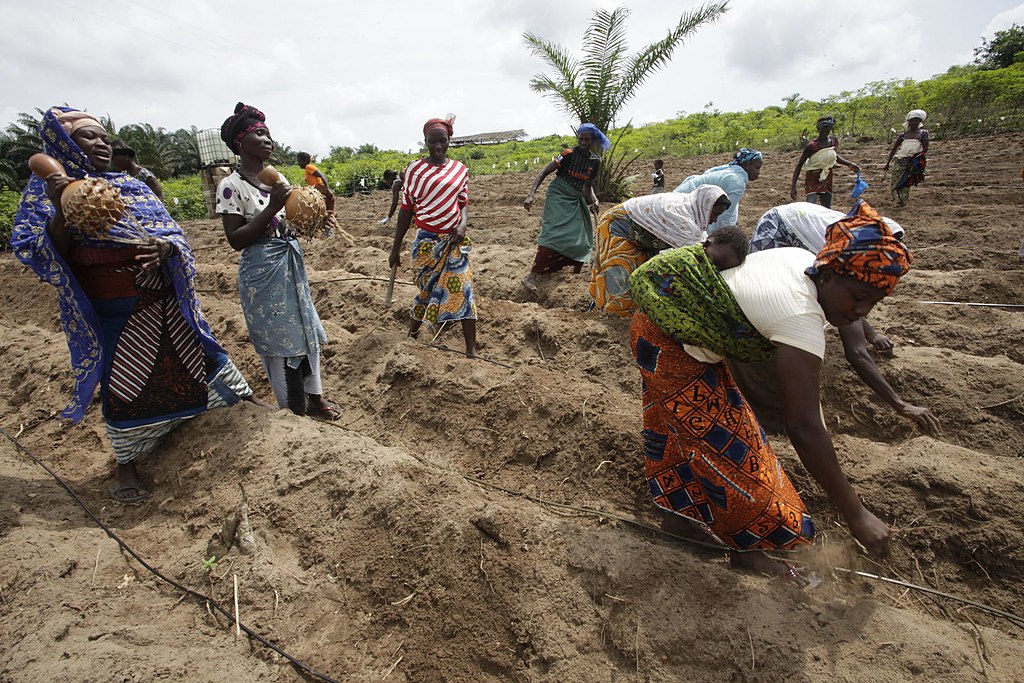
This policy brief discusses how to match innovations with human and ecological potential within and outside the agriculture sector
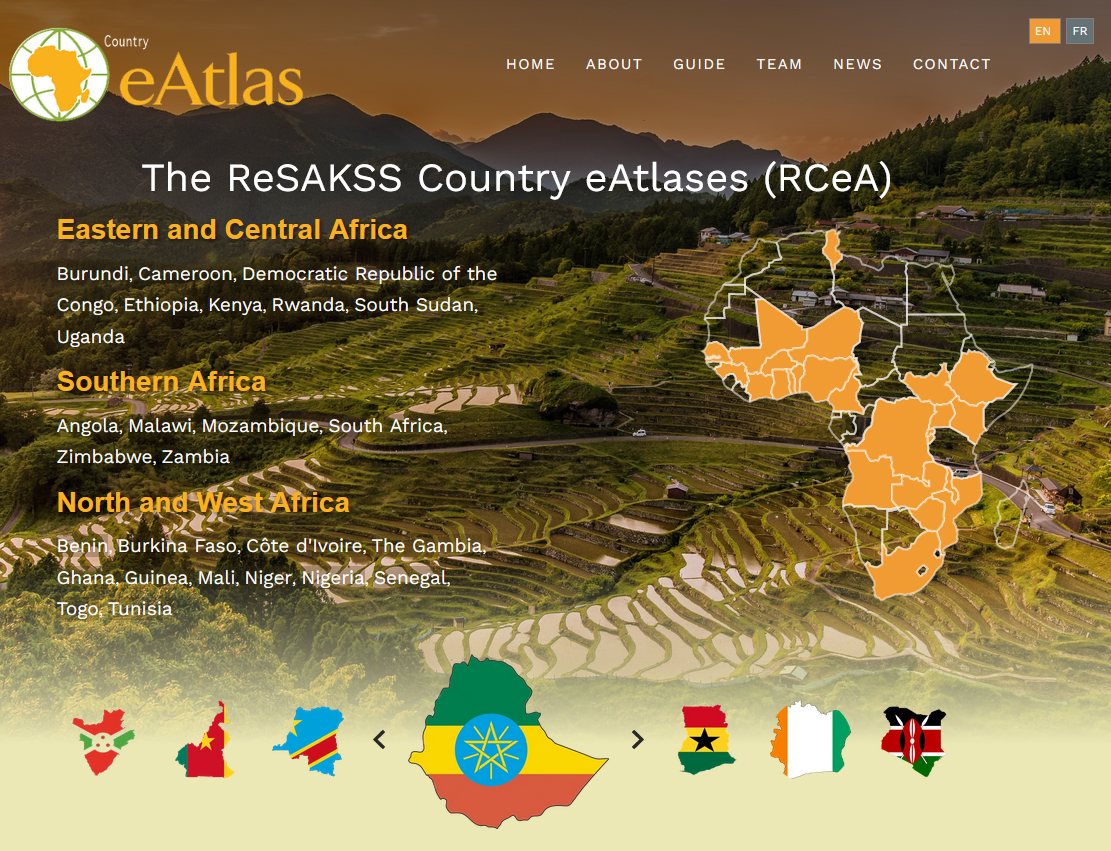
The eAtlas offer access to high quality and highly disaggregated data on agricultural, socio-economic, and bio-physical indicators in Africa.
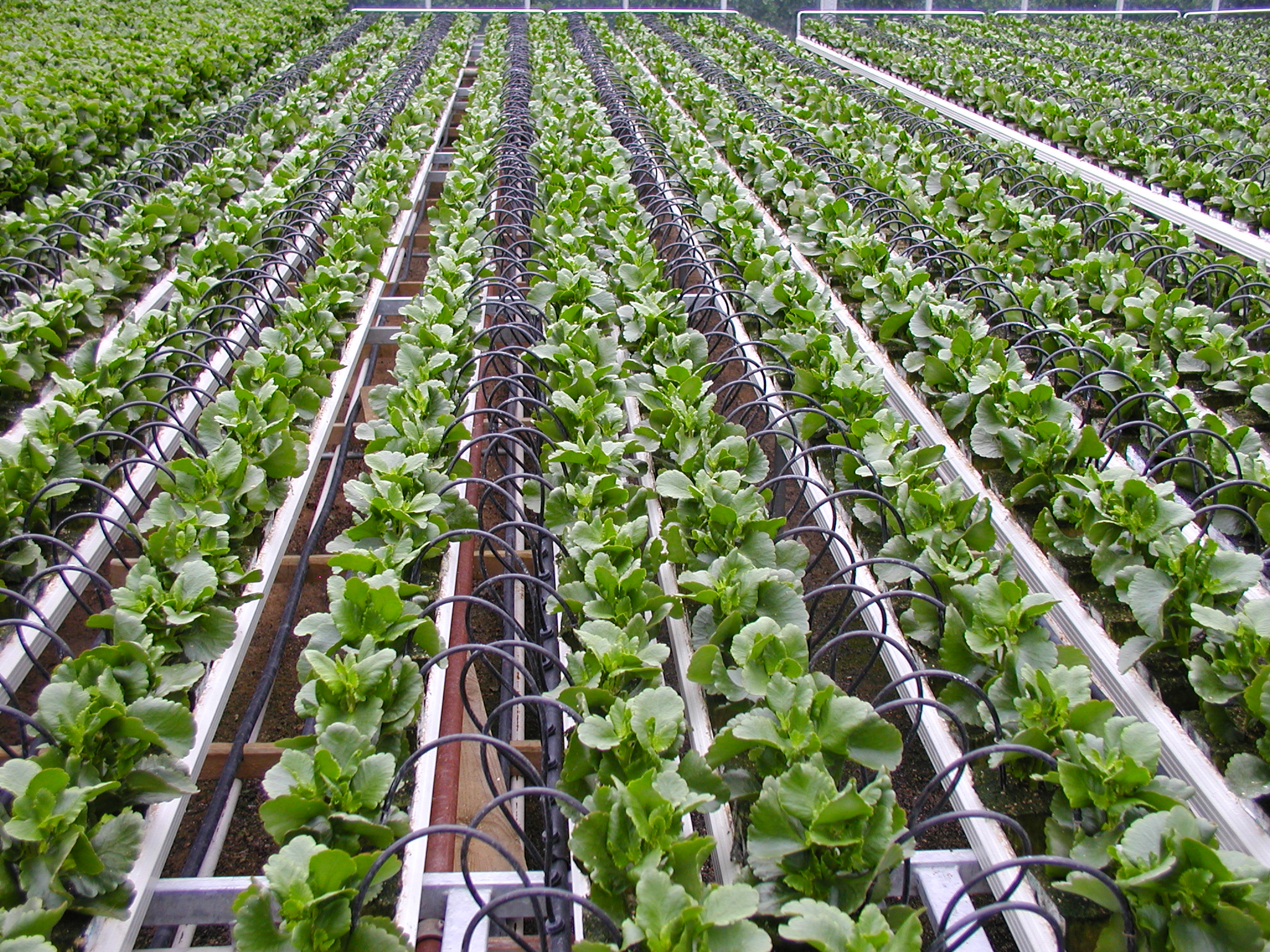
The studies provide an overview of the status of agricultural innovations, innovation platforms and innovation investment in 12 African countries.
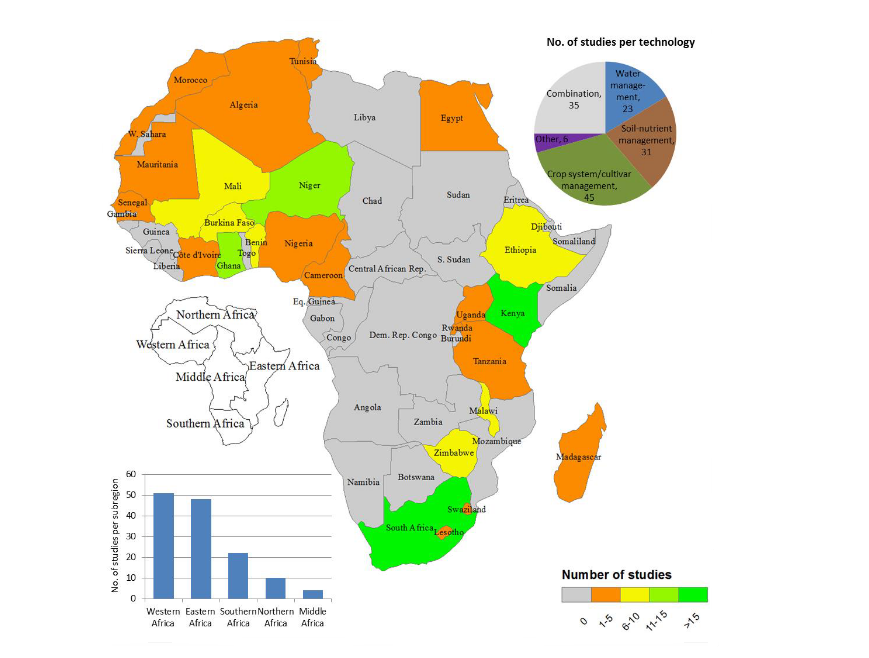
The report presents the results of three systematic reviews: one on the use of biophysical modelling, the second and third on the use of bio-economic modelling at farm scale and agro-economic modelling at higher aggregation levels.

The policy brief reviews the evolving context of agriculture and food security in Africa, synthesises related policies, strategies and collaborations of African countries, and identifies innovation initiatives to tap potentials in Africa.

This study reviews the evolving context of agriculture and food security in Africa, synthesises related policies, strategies and collaborations of African countries, and identifies innovation initiatives to tap potentials in Africa.

This study focuses on measures at the strategic level, which as part of the special initiative “One World, No Hunger” tap the potentials of improvements in food security and sustainable agricultural growth.