2020H. Baumüller, J. von Braun, A. Admassie, O. Badiane, E. Baraké, J. Börner, I. Bozic, B. Chichaibelu, J. Collins, T. Daum, T. Gatiso, N. Gerber, T. Getahun, K. Glatzel, S. Hendriks, O. Kirui, L. Kornher, Z. Kubik, E. Lüdeling, A. Mirzabaev, P.G. Ndiaye, T. Sakketa, M. Shah, G. Tadesse, J. Walakira
This study aims to identify how Africa may transform its potentials into realities and actually secure its supply of food for affordable and healthy diets from the sustainable use of resources.
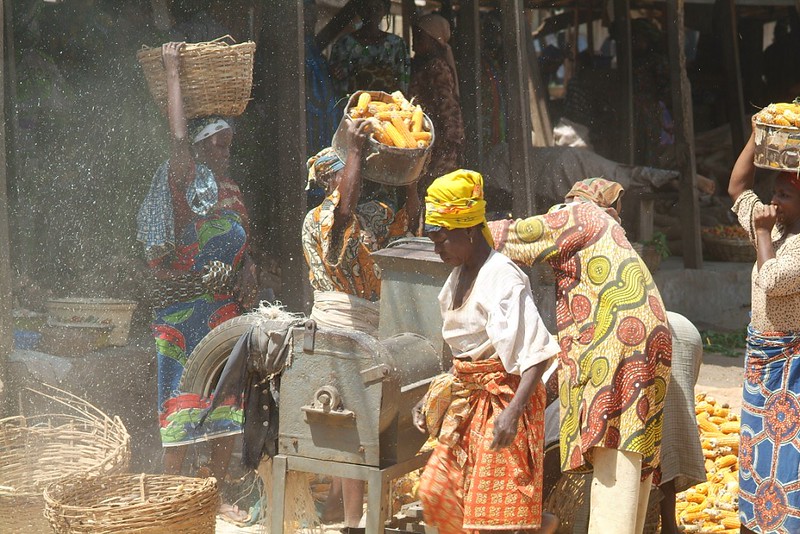
This paper presents a fact check on nine propositions regarding mechanization. Which ones are true? Which ones are false? To answer these questions, the study uses most of the recent literature on mechanization, thereby also providing a review of the current literature on agricultural mechanization in Africa.
The objectives of this report are first to describe the patterns and changing structures of the Sub-Saharan Africa (SSA) livestock sector and secondly to explore innovations that can help to address the complex trade-offs involved in investing in the development of a sustainable livestock sector.
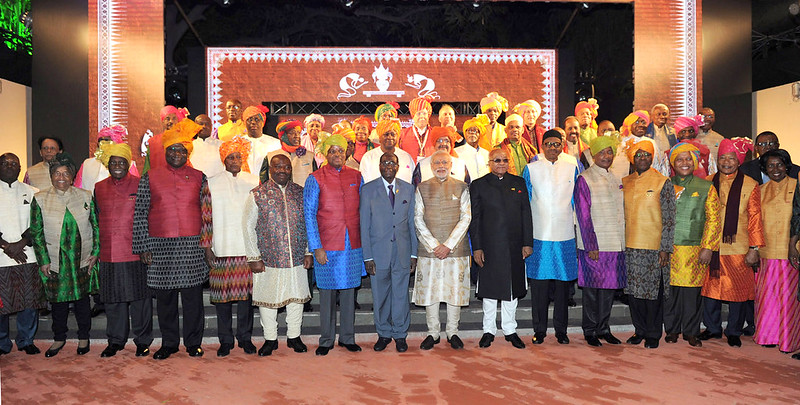
This paper looks at historical ties between India and Africa. It identifies trade and investment patterns in recent decadesand describes the collaborations between India and several African countries in the field of agriculture.
2020S. Gondwe, S. Kasiya, F. Maulidi, G.T. Munthali,
The study aims to identify four representative initiatives implemented between 2008 and 2018, and assess how they have contributed to youth employment in Malawi.
2020J. A. Tambo, E. Barakéc, A. Kouevid, G. T. Munthalie
Using data from 300 farmer-innovators in Kenya, Malawi and Zambia, this study seeks to contribute to a better understanding of farmers' knowledge of and preferences for IPRs and open-access innovation.
Using an agricultural focused computable general equilibrium model, these discussion papers analyze the economy-wide impact of a series of agricultural innovations in Malawi and Burkina Faso.
This study seeks to assess the complementarity of education and use of agricultural inputs–improved seeds, fertilizers, access to credit facilities (loans), and the incremental effects of education on intermediate to longer-term economic outcomes (consumption, expenditure and poverty) among smallholder farmers in four countries in SSA Africa (Ethiopia, Malawi, Nigeria and Tanzania).